Why towers here
- Entry
- D.4
- Where
- The Ionian and Adriatic shore
- Period
- Medieval to early modern
- Section
- Towers of the Coast
01Signal chains on a watched coast
A coastal watchtower is only useful if what it sees can be passed on. That logic — relay, not solitude — explains almost everything about where towers were placed along the Adriatic and Ionian shores: not at the most dramatic headlands, not at the most defensible points, but at the intervals that kept an unbroken line of sight from one fire to the next.
The system the Venetians formalized along the Albanian coast in the fifteenth and sixteenth centuries was not a new idea. Smoke and fire signals had worked these waters since antiquity. What Venice added was administrative consistency: towers built to a recognizable type, manned on a rota, and spaced so that a warning of Ottoman sail could travel the length of a coastline in under an hour. The spacing was not uniform in distance but in optics — the next tower had to be visible, whatever the intervening kilometers happened to be. A promontory might shorten the gap to two kilometers; a flat, haze-prone stretch might demand a taller structure to carry the line of sight across six or eight.
The coast dictated the intervals; whoever was watching simply followed the coast.
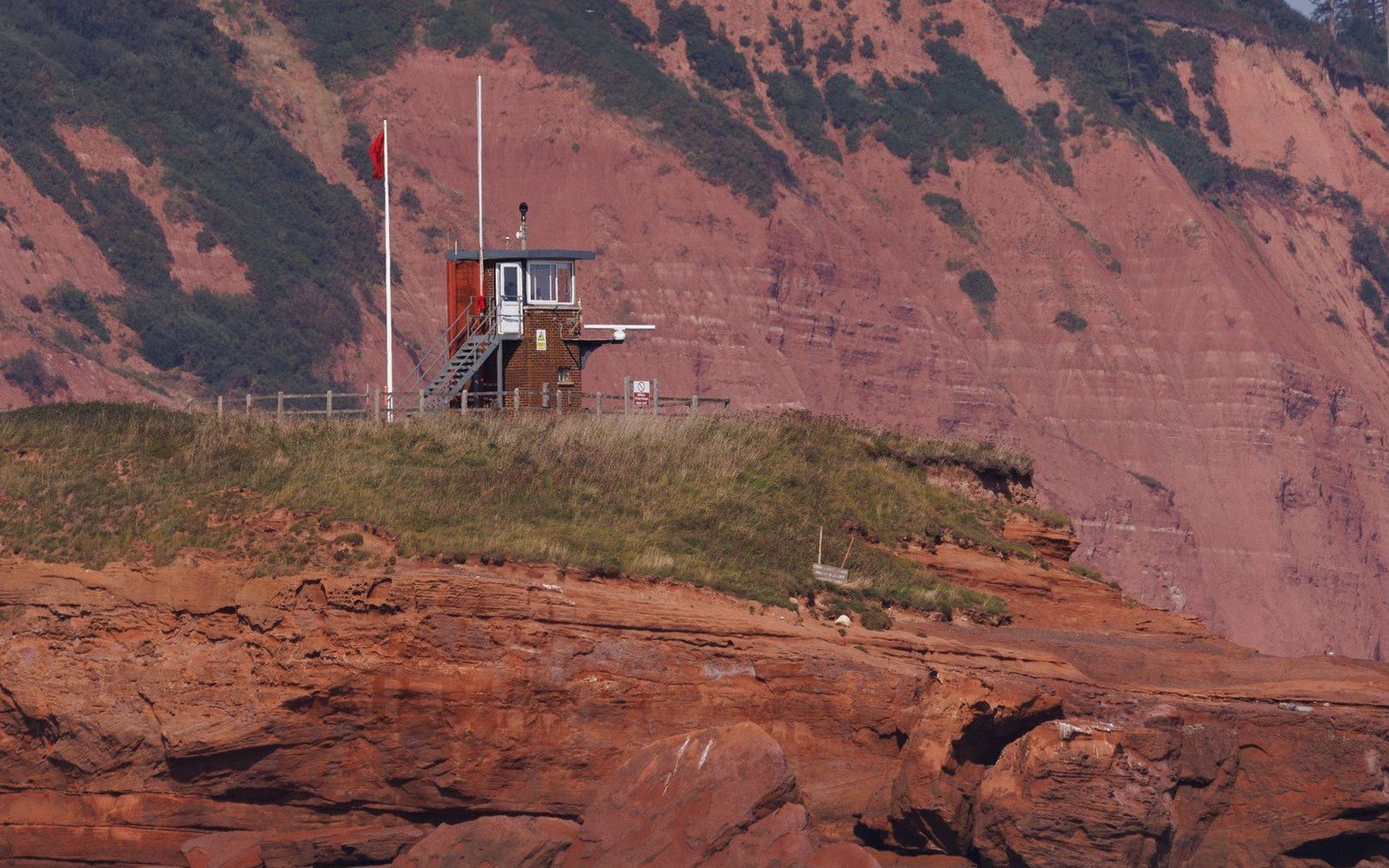
The towers themselves are compact: roughly circular or square in plan, rarely more than three storeys, with the watchroom and fire platform at the top and very little below worth defending. Their value was in their position, not their strength. A tower that held out against a raiding party but whose garrison had no line of sight to its neighbor was worthless to the chain; a tower that looked exposed but could relay within minutes was the right tower in the right place.
The geometry survives even where the towers do not. Walk the Albanian coast and you find the logic in the terrain before you find the masonry: a shelf of rock that looks back to one headland and forward to another, ground that commands sea but faces land. The Venetian builders were reading the landscape as a signal engineer reads a radio relay map — identifying nodes, not monuments.
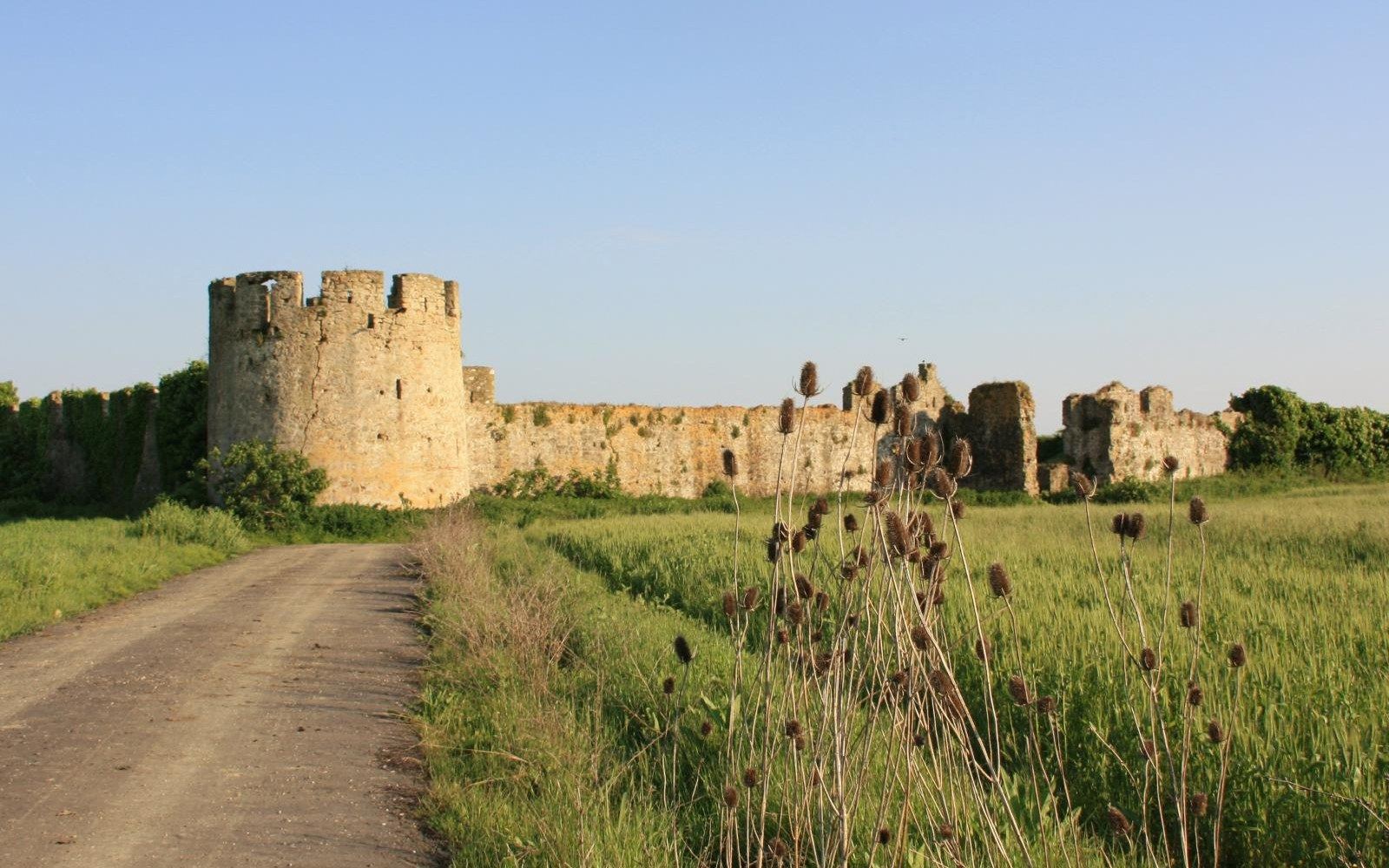
Where towers remain standing, as along the arc south of Vlorë, they mark not just a historical moment but a consistent topographic logic that any period of watchfulness would have arrived at independently. The Ottoman successor towers often occupy the same ridgelines. The coast dictated the intervals; whoever was watching simply followed the coast.
- Antiquityfire and smoke signals in use along Adriatic and Ionian coasts
- 15th–16th centuriesVenetian tower-building programme formalized along the Albanian coast
- Post-Venetian periodOttoman watchtowers frequently occupy the same ridgelines and sightlines
- Spacing set by line of sight, not fixed distance
- Hazy or flat ground required taller structures to carry the signal
- A warning could travel the full coastal chain in under an hour